Industry 5.0: Transforming the Manufacturing Landscape
Vijay Vamja
5-6 mins
Industry 5.0 is bringing digital transformation in manufacturing by blending human insight with smart manufacturing technology, sparking a new era of efficiency and personalization. According to GMI Insights, the Industry 5.0 market valued at $51.5 billion in 2023, is set to skyrocket to $600 billion by 2032, growing at an impressive 31.5% CAGR. With manufacturing software growing rapidly, this shift toward human-machine collaboration is transforming how products are made.
In this article, we will learn about Industry 5.0, technologies involved in it and how it benefits manufacturing businesses.
What is Industry 5.0?
Industry 5.0 is a vision of the future where manufacturing is not just automated but collaborative, sustainable, and deeply integrated with human values. Unlike Industry 4.0, which emphasized automation and smart factories, Industry 5.0 focuses on human-centric solutions, leveraging advanced technologies to enhance the role of humans in manufacturing rather than replacing them.
Principles of Industry 5.0
- Human-Robot Collaboration
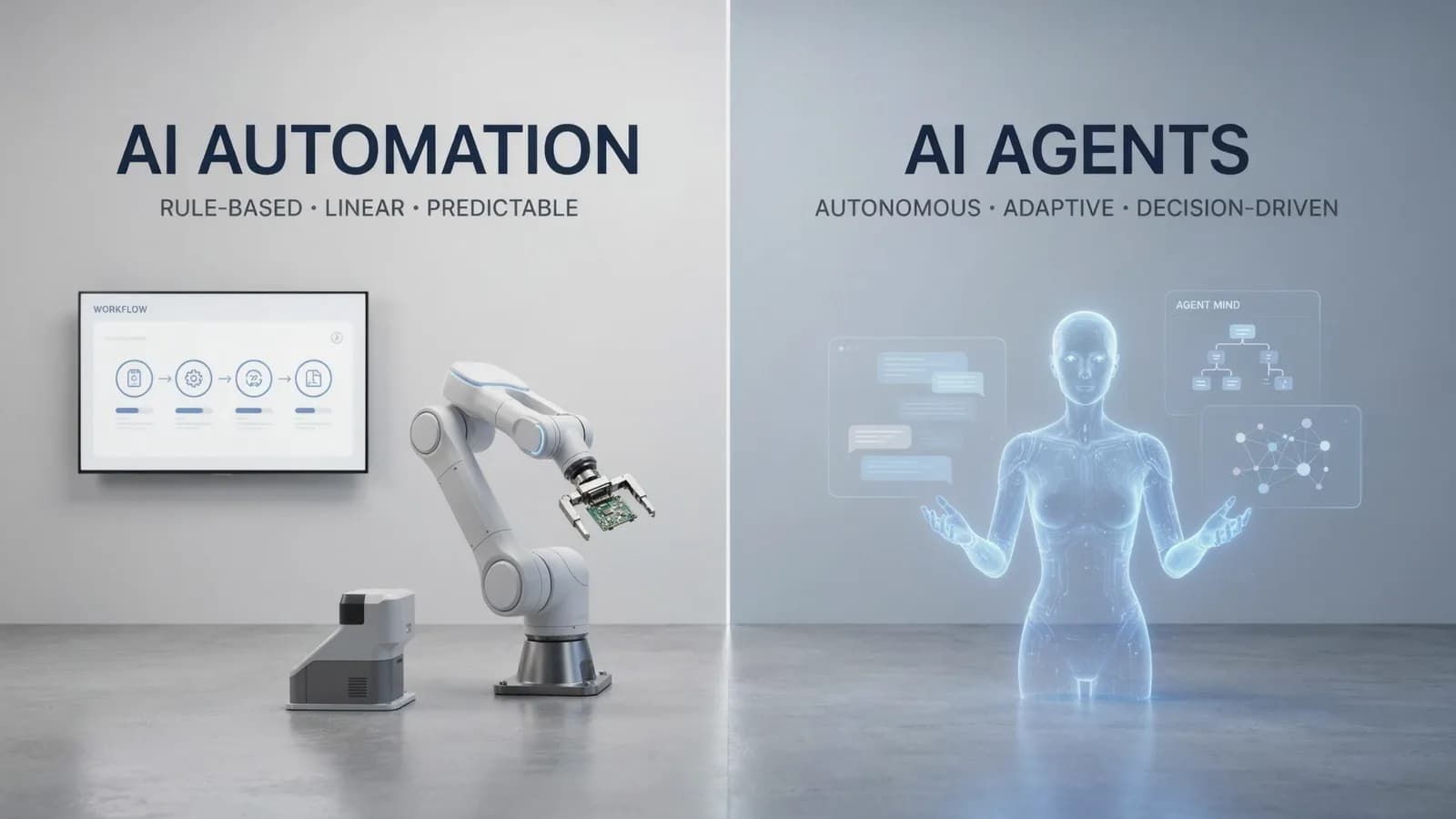
Industrial revolution 5.0 redefines the workspace with humans and robots working together. Robots are not here to replace human roles but to support and assist them, creating a safer, more efficient environment. These collaborative robots, or cobots, are designed to handle repetitive or physically demanding tasks, allowing humans to focus on creative, problem-solving aspects.
- Customization and Personalization
Industry 5.0 aims to meet individual customer preferences. Mass customization is enabled by flexible manufacturing setups that use AI and other technologies to quickly adapt to custom orders, making personalization achievable even on a large scale.
- Sustainability Focus
Environmental impact is a central concern. Sustainable practices and technologies are prioritized, ensuring energy efficiency, minimal waste, and optimized resource use. Industrial revolution 5.0 aligns closely with global sustainability goals, pushing manufacturers to balance growth with environmental responsibility.
- Enhanced Cyber-Physical Systems
Industry 5.0 integrates the digital and physical worlds more deeply, using advanced cyber-physical systems (CPS). This means data from sensors, machines, and even human input can be processed and acted on in real-time, creating a fluid, interconnected manufacturing environment.
Emerging Technologies in Industry 5.0
1. Collaborative Robots (Cobots)
Imagine robots that don’t just operate separately on assembly lines but actually work side-by-side with people. These collaborative robots, or cobots, aren’t meant to take over jobs; they’re there to assist. Cobots are designed to help with repetitive, strenuous tasks so humans can focus on more complex work. They’re programmed to sense people nearby, meaning they know when to slow down or stop to keep everyone safe. It’s like having a helpful assistant that’s ready to adapt to what’s happening around it.
2. Artificial Intelligence and Machine Learning
AI and machine learning are like the brains behind the operations. They take in massive amounts of data including production stats, machinery performance, and even customer preferences and analyze it to spot patterns. For example, generative AI in manufacturing can predict when a machine might need maintenance before it breaks down, saving both time and money. It’s almost like having a crystal ball for the factory, allowing you to adjust and improve processes in real-time based on what’s actually happening.
Read more: Predictive Maintenance Techniques
3. 5G, 6G, and Edge Computing
With faster internet speeds like 5G and, down the line, 6G, everything in the factory can communicate almost instantly. Then there’s edge computing, which processes data right where it’s generated—so close to the action. That means instead of data going all the way to the cloud and back, it’s analyzed right there, on the spot. This digital transformation in manufacturing will keep things fast and responsive, which is exactly what you want when you’re running complex operations that need to be adjusted in real-time.
4. Additive Manufacturing (3D Printing)
3D printing isn’t just about making fun little prototypes anymore; it’s evolved into a powerhouse for manufacturing. Factories can use 3D printers to produce intricate parts on demand, which is a game-changer for customization. Instead of waiting weeks for a custom part, you can print it right there in the factory. It also minimizes waste because you’re only using the exact amount of material needed, making it a more sustainable option.
5. AR/VR for Training and Quality Control
Augmented reality (AR) and virtual reality (VR) are like bringing science fiction into the workplace. Picture training sessions where you’re “inside” a machine or seeing data pop up in front of your eyes as you work. AR and VR can help workers learn complex tasks more effectively by letting them practice in a virtual space first. For quality control, AR might show a worker exactly where to look for issues, making inspections faster and more accurate.
6. Big Data Analytics
Big data is simply all the data collected during operations, like performance stats, usage patterns, and customer demand. Analyzing this data helps make smarter decisions. For instance, if the data shows that a certain part is wearing out faster than expected, manufacturers can adjust production to avoid future downtime. In a way, it’s like having a constant pulse on what’s happening and being able to adjust strategy based on real information, not just guesses.
7. IoT (Internet of Things)
IoT is what connects everything together. Sensors on machines and equipment can monitor performance in real time, helping detect any unusual behavior early on. If something’s not working right, IoT devices can alert operators or even trigger automatic fixes. It’s like giving machines a voice, letting them “speak up” when they need attention. This connectivity also lets you monitor the factory remotely, making it easy to keep track of operations from anywhere.
8. Cloud Computing
Finally, cloud computing is where all the data goes to live and gets processed. Instead of needing tons of physical storage and infrastructure, manufacturers can store everything on the cloud. The beauty of this is that everyone across the company can access the same data, so there’s no information silo. Plus, as you grow, the cloud scales up with you, so you’re not constantly buying new servers or worrying about running out of space.
Benefits of Industry 5.0 in Manufacturing
1. Enhanced Efficiency and Productivity
With cobots, AI, and real-time data, operations can be optimized for maximum productivity. This efficiency leads to quicker production cycles and less downtime, boosting overall output. Read our blog to know more about how to maximize efficiency with Smart Manufacturing Technologies.
2. Better Customization
Industry 5.0 allows for mass customization, letting manufacturers tailor products to individual customer needs without slowing down production. This level of personalization helps meet market demands more precisely.
3. Sustainability Gains
Industry 5.0 promotes eco-friendly practices by minimizing waste and improving energy efficiency. Technologies like 3D printing and IoT can reduce resource consumption, aligning manufacturing with environmental goals.
4. Improved Employee Satisfaction
By automating repetitive tasks, Industry 5.0 allows workers to focus on more meaningful, less physically demanding roles. This shift can lead to higher job satisfaction and create a more engaged workforce.
Future Outlook
As Industry 5.0 matures, we can expect to see increased emphasis on sustainability, ethical AI, and adaptive, resilient supply chains. Technologies like quantum computing, 6G, and enhanced AR/VR will further drive this revolution. The role of humans in manufacturing will continue to evolve, shifting towards roles that require creativity, problem-solving, and oversight, while machines handle the repetitive and analytical tasks.
Ready to elevate your manufacturing processes?
Ciphernutz IT Services specializes in manufacturing software solutions that streamline operations, enhance collaboration between humans and machines, and drive productivity. Let us help you bring Industry 5.0 to your factory floor with custom manufacturing solutions that meet your unique needs. Get in touch to see how we can build the future of manufacturing, together!